

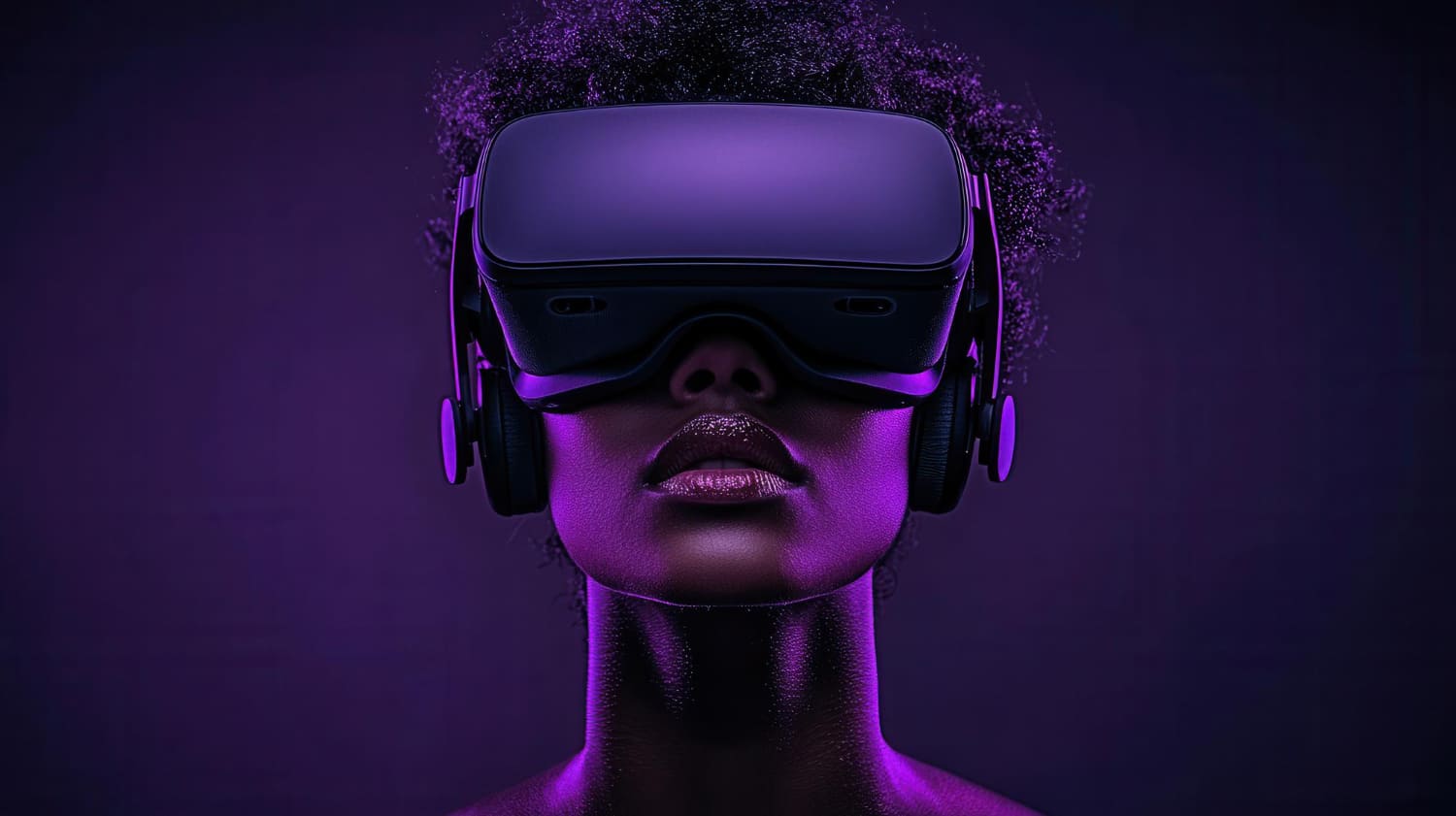
How to use AR/VR technologies on the website 🚀
In today's digital world, where competition is at an all-time high, companies are looking for new ways to attract audiences' attention and stand out from the competition. Augmented Reality (AR) and Virtual Reality (VR) offer unique opportunities to increase user engagement and improve the user experience on websites. This article is devoted to a comprehensive review of the ways of using AR/VR technologies on websites, their advantages, disadvantages and practical recommendations for implementation.
What are AR and VR and how do they work? 🤔
Before moving on to the practical aspects of using AR/VR on websites, let's briefly review the basics of these technologies. Augmented Reality (AR) - augmented reality is a technology that superimposes computer graphics onto an image of the real world. This allows users to interact with virtual objects in a real environment using smartphones, tablets or special AR glasses. For example, a user can point their smartphone camera at an object, and additional information about it, a 3D model or animation will appear on the screen. Virtual Reality (VR) – virtual reality is a technology that completely immerses the user in an artificially created world. To use VR, you need special VR headsets that create the effect of presence in a virtual environment. Users can interact with virtual objects and environments using controllers or other input devices. In the context of websites, AR and VR are used to create interactive and immersive experiences that increase user engagement and improve brand recall.
Benefits of using AR/VR on websites 👍
The introduction of AR/VR technologies on websites provides many advantages:
- Increased user engagement: AR/VR applications on the site significantly increase the time spent by the user on the site and the level of his interaction with the content. Interactive elements and captivating visuals capture attention and keep users engaged longer.
- Improving user experience: AR/VR allows you to present information in a more understandable and accessible form. For example, instead of static images, interactive 3D models of products can be used, allowing users to view them in detail from all angles.
- Increased sales: AR/VR technologies help increase sales by allowing customers to “try on” products before purchasing (for example, virtual fitting of clothing or glasses). This reduces risks and increases confidence in making a purchase.
- Brand enhancement: The use of innovative technologies such as AR/VR demonstrates the modernity and innovation of the brand, which has a positive impact on its image and attractiveness to customers.
- A unique marketing tool: AR/VR allows you to create unique and memorable advertising campaigns that stand out from competitors and attract the attention of your target audience. The ability to share AR/VR experiences on social networks contributes to viral advertising.
- Training and Demonstration: AR/VR is ideal for demonstrating complex products or processes. For example, an AR application can help users assemble furniture according to instructions, while a VR application can show the internal structure of a mechanism.
Ways to use AR/VR on websites 💻
There are many ways to use AR/VR technologies on websites, depending on the specifics of the business and the company’s goals:
- Virtual tours: VR technologies allow you to create virtual tours of company offices, shops, museums or other objects. This gives users the opportunity to “visit” these places without leaving home.
- Interactive 3D Models: AR/VR allows you to create interactive 3D models of products that can be rotated, scaled and viewed from all angles. This is especially useful for products that require detailed examination (for example, cars, furniture, electronics).
- Virtual Try-On: AR/VR technologies allow users to “try on” clothing, accessories, makeup and other products without leaving the website. This significantly improves the convenience of online shopping and reduces the risk of a bad purchase.
- Interactive Games and Entertainment: AR/VR games and entertainment can be used to increase user engagement and create memorable experiences. It can be either a simple game or a complex simulation.
- Educational Applications: AR/VR applications can be used to create interactive educational programs that enhance learning and retention of information.
- AR Filters and Effects: AR filters and effects can be used to create fun and interactive elements on a website that attract users' attention and increase engagement.
Technical aspects of implementing AR/VR on websites ⚙️
Implementing AR/VR on websites requires certain technical knowledge and skills. The following factors need to be considered:
- Selection of platform: The choice of platform for developing an AR/VR application depends on the target audience and functionality of the application. There are various frameworks and libraries for developing AR/VR applications, both for web and mobile platforms.
- Performance Optimization: AR/VR applications are often computationally intensive. Therefore, it is important to optimize the application's performance to ensure smooth operation on various devices.
- Compatibility: Compatibility of the AR/VR application with various browsers and devices must be taken into account. It is important to ensure that the application works correctly on various platforms and operating systems.
- Security: Security of user data is an important aspect when developing AR/VR applications. It is necessary to ensure data protection from unauthorized access and leakage.
Disadvantages of using AR/VR on websites ⚠️
Despite many advantages, using AR/VR on websites also has some disadvantages:
- High Development Cost: AR/VR app development can be expensive, especially for complex projects.
- Hardware Requirements: AR/VR applications require special devices (smartphones, tablets, VR headsets) to use, which may limit accessibility for some users.
- Development complexity: Developing AR/VR applications requires certain technical skills and knowledge.
- Need for testing: Before launching an AR/VR application, it is necessary to conduct thorough testing to ensure it works correctly on various devices.
Conclusion 🎯
AR/VR technologies offer enormous potential for increasing user engagement and improving the user experience on websites. Despite some disadvantages, the benefits of using these technologies far outweigh their disadvantages. Getting AR/VR implemented correctly can be a key success factor for companies looking to differentiate themselves from competitors and improve their performance. It is important to remember that AR/VR applications need to be carefully planned, developed and tested to achieve the best results. Turning to professionals in the field of AR/VR development, such as Asgard Digital, guarantees high-quality and effective implementation of these technologies on your website. https://Asgard Digital.ru/#raboty will help you choose the optimal solution and implement it in practice.